Best Flooring for Allergies and Asthma: What Actually Helps
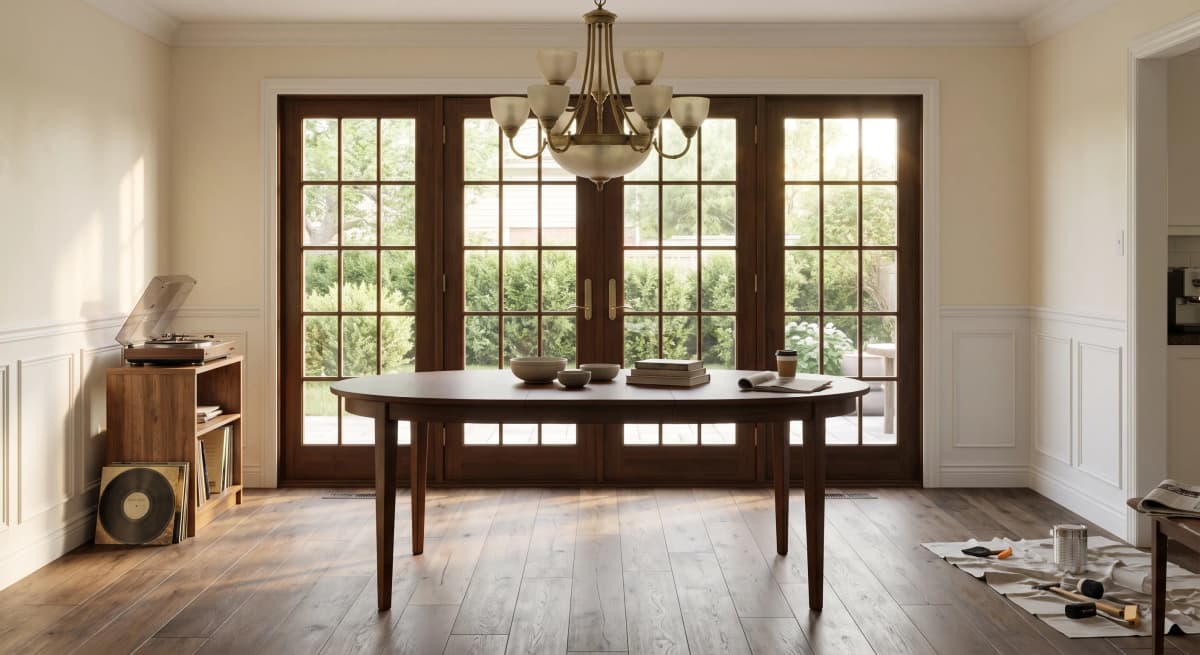
The single best flooring for allergies and asthma is hard-surface flooring — specifically vinyl plank, engineered hardwood, or tile — because they have nowhere for dust mites, pet dander, mould spores, and pollen to hide. Carpet holds up to 100 times more allergens per square foot than hard flooring (Health Canada, 2019), and no amount of vacuuming fully reverses that. If you or someone in your household has diagnosed asthma, rhinitis, or pet allergies, removing carpet and replacing it with a low-VOC hard surface is one of the highest-impact changes you can make to indoor air quality.
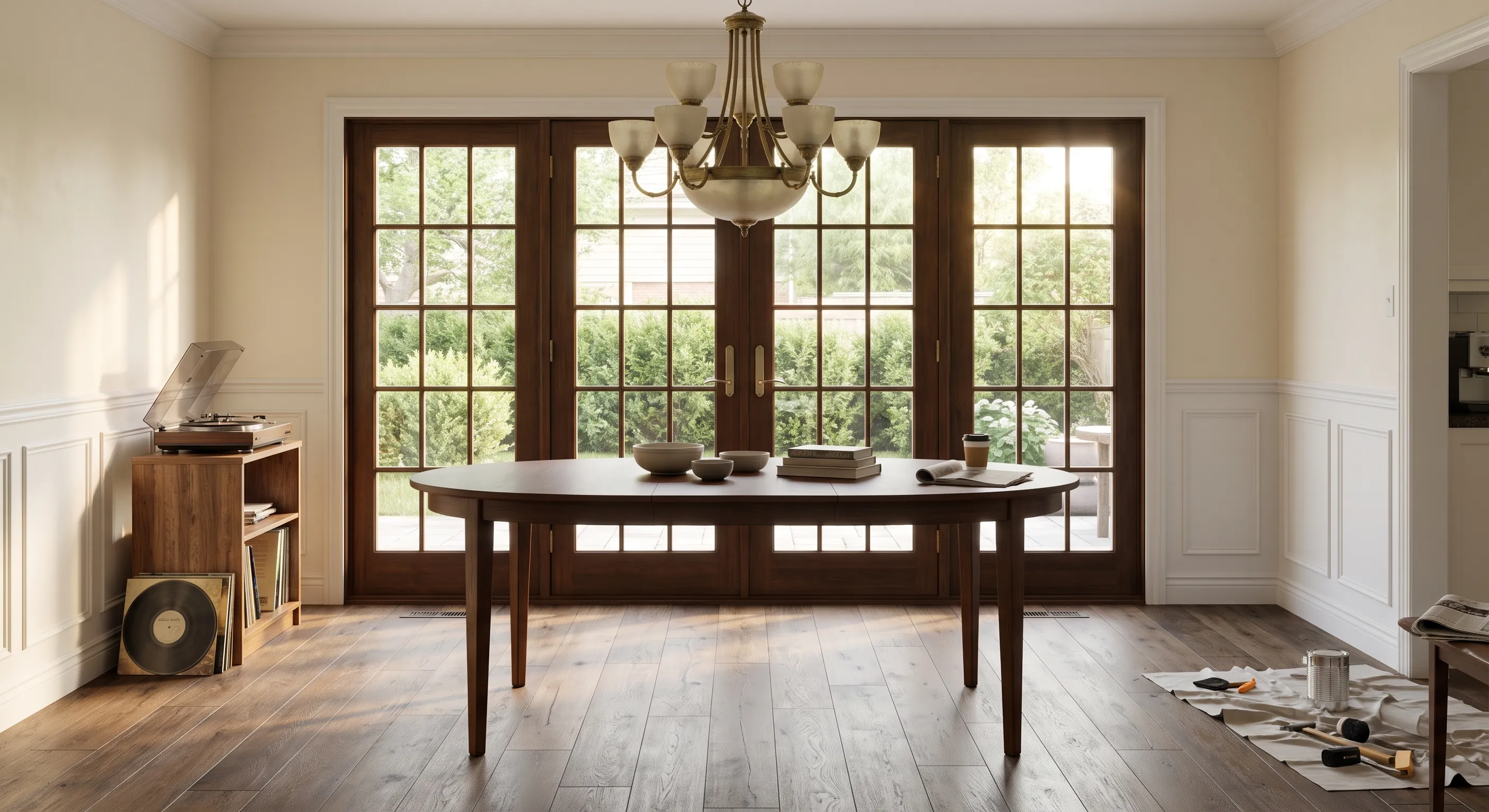
Why Carpet Is the Worst Flooring for Allergy and Asthma Sufferers
Carpet fibres act like a passive filter — trapping dust mites, pet dander, dead skin cells, mould spores, and tracked-in pollen. The problem is that filter never gets fully cleaned. A standard household vacuum captures roughly 70–80% of surface debris, but the allergens embedded deep in carpet pile stay put. Every footstep then kicks those particles back into the breathing zone at ankle and knee height — exactly where children spend most of their time.
In the GTA specifically, the situation is compounded by our climate. We run forced-air heating for 5–6 months of the year, which dries out indoor air and increases static electricity in carpet, making it even more effective at holding fine particles. Then in spring, windows open and pollen counts spike. Carpet absorbs all of it.
If you're renovating a home with original builder-grade carpet from the 1990s or 2000s, that carpet has had decades to accumulate allergens in its backing and underpad. Professional carpet removal — not just replacement — is the first step. Disturbing old carpet releases a significant burst of trapped allergens, so proper containment during removal matters.
The Flooring Allergy Score: How Each Material Ranks
Not all hard flooring is equal from an allergy standpoint. Two factors matter most: surface texture (grooves and embossing trap particles) and VOC emissions (off-gassing from adhesives, finishes, and core materials can directly irritate airways). Here's how the main categories compare:
| Material | Allergen Trap Risk | VOC Risk | Moisture / Mould Risk | Allergy Rating | Cost (material, GTA) |
|---|---|---|---|---|---|
| 100% Vinyl / SPC / LVP | Very Low | Low–Medium (check FloorScore) | None (100% waterproof) | ⭐⭐⭐⭐⭐ | $2.00–$4.50/sqft |
| Porcelain / Ceramic Tile | Very Low | Negligible | Low (grout can harbour mould) | ⭐⭐⭐⭐⭐ | $3.00–$7.00/sqft |
| Engineered Hardwood | Low | Low (prefinished = less site VOC) | Low–Medium | ⭐⭐⭐⭐ | $3.50–$8.00/sqft |
| Solid Hardwood | Low | Medium (site-finished = higher VOC during install) | Medium (no basements) | ⭐⭐⭐½ | $5.00–$12.00/sqft |
| Laminate | Low | Medium (HDF core off-gasses; choose CARB2) | Medium (swells after 72+ hrs of water exposure) | ⭐⭐⭐ | $1.50–$4.00/sqft |
| Carpet | Very High | Medium–High (new carpet off-gasses 4-phenylcyclohexene) | High (underpad retains moisture) | ⭐ | $2.00–$6.00/sqft |
Vinyl Plank: The Most Practical Allergy-Friendly Floor for Most GTA Homes
For the majority of allergy and asthma sufferers, luxury vinyl plank (LVP) hits the best combination of allergen resistance, moisture resistance, and cost. The surface is non-porous — dust, dander, and pollen sit on top and get picked up by mopping or a damp cloth. There are no fibres, no grout lines, and no organic material for mould to feed on.
The critical caveat for asthma sufferers is VOC content. Cheaper vinyl can off-gas plasticizers, particularly in the first few weeks after installation. Look for products certified to FloorScore or GREENGUARD Gold standards — these are tested for over 360 VOCs and are specifically approved for use in schools and healthcare environments.
A strong option from our current inventory: the Port Credit 7mm Vinyl Flooring with Pad by BBS Reserve ($1.79/sqft). It carries a 22mil wear layer (that's commercial-grade durability in a residential product), comes with an attached underpad that eliminates the need for a separate underlayment — reducing one more adhesive/chemical layer in your floor assembly — and is 100% waterproof. For a 1,500 sqft main floor, you're looking at roughly $3,735 in material before installation. See our 2026 GTA Flooring Cost Guide for full installed price ranges.
Engineered Hardwood: The Premium Allergy-Friendly Option
If you want the warmth and resale value of real wood without the allergy penalties of carpet, engineered hardwood is the right call. The surface is real wood — hard, smooth, and easy to clean. Because most engineered hardwood sold in Canada is factory-finished (prefinished), there's no on-site lacquering or oil application, which means no acute VOC spike during installation. That's a meaningful difference for asthma sufferers compared to site-finished solid hardwood.
Two products worth knowing about:
- The Simba Silver Powder Oak 3/4" Engineered Hardwood by Simba Flooring at $3.99/sqft. The 3/4" thickness means it can be nailed or stapled like solid hardwood — no adhesive required, which eliminates glue VOCs entirely. The smooth, low-sheen finish resists surface dust accumulation better than high-gloss alternatives.
- The Mitis 7½" European Oak by Northernest at $5.19/sqft. The wide-plank format means fewer seams per square foot — and seams are where fine particles accumulate. European oak is also typically finished with harder UV-cured coatings than domestic products, meaning the surface stays smoother longer and is easier to maintain.
One honest note: engineered hardwood is not waterproof. A spill left standing will eventually penetrate the finish and cause swelling or delamination. For households with young children or pets, this is a real consideration. Do not install engineered hardwood in basements — concrete slab moisture in GTA homes is a persistent issue that will damage it over time.
Explore our full white oak flooring collection if you want the full range of European and domestic oak options.
VOCs: The Hidden Asthma Trigger in New Flooring
This section doesn't appear in most flooring guides, but it's critical for asthma sufferers: new flooring off-gasses. The primary culprits are:
- Formaldehyde — found in HDF cores (laminate), plywood cores (some engineered), and urea-formaldehyde adhesives. Look for CARB Phase 2 or E0/E1 certification.
- 4-Phenylcyclohexene (4-PC) — the chemical responsible for the "new carpet smell." A known respiratory irritant.
- Plasticizers (phthalates) — can off-gas from lower-grade vinyl. GREENGUARD Gold certification limits these.
- Installation adhesives — glue-down installations introduce a significant VOC load. Float or nail-down installation methods are preferable for sensitive individuals.
The off-gassing period for most hard flooring is 3–7 days. During installation and for the first week after, maximize ventilation — open windows, run exhaust fans. If possible, have the sensitive family member stay elsewhere for the first 48–72 hours post-installation. This is not overcaution; it's standard guidance from Health Canada's indoor air quality advisories.
What About Laminate? The Honest Answer
Laminate gets recommended a lot as a budget-friendly allergy floor, and the surface itself is fine — it's smooth, hard, and easy to sweep. The problem is the core. Standard laminate uses a high-density fibreboard (HDF) core that contains urea-formaldehyde binders. Budget laminate from big-box stores can exceed CARB Phase 1 limits. If you're buying laminate for an allergy household, you must verify CARB Phase 2 compliance — it's non-negotiable.
The second issue is moisture. Laminate will swell if water sits on it for 72+ hours. In a bathroom, laundry room, or any area with spill risk, swollen laminate creates gaps and lifted edges where mould can grow underneath — exactly the opposite of what you want for an allergy-sensitive home. For those areas, stick with vinyl.
GTA-Specific Considerations: Climate, Housing Stock, and Subfloors
Toronto's climate and housing stock create some allergy-flooring dynamics that national guides miss entirely:
Basement moisture is a real problem. Most GTA homes built before 2010 have concrete slab basements with varying degrees of moisture vapour transmission. This creates mould risk under any flooring that isn't 100% waterproof. If you're finishing a basement for an allergy-sensitive family member, waterproof vinyl plank is the only sensible choice. Do not install laminate, engineered hardwood, or carpet in a GTA basement without first conducting a moisture test (calcium chloride or RH probe test).
Forced-air heating dries and circulates allergens. GTA homes run furnaces from roughly October through April. Forced air doesn't just heat — it continuously recirculates floor-level particles. Hard flooring paired with a quality MERV-13 furnace filter does more for indoor air quality than any single flooring choice alone.
Older housing stock has subfloor surprises. Homes from the 1980s–2000s often have OSB subfloors over older plywood, or concrete with previous adhesive residue from vinyl tiles (some of which contained asbestos — a legal requirement to test before disturbing in Ontario). Our professional installation team assesses subfloor condition before any product goes down. This isn't upselling — a compromised subfloor under new flooring creates gaps, movement, and long-term moisture issues.
Stairs matter too. Many GTA homes have carpeted stairs even after the main floor is renovated. Carpeted stairs are a significant allergen reservoir, especially in high-traffic zones. Consider stair nosing and hard-surface stair options as part of a complete allergy renovation.
For a full pricing breakdown specific to Toronto, see our 2026 GTA Flooring Cost Guide. Use the quote calculator for a room-specific estimate.
Cleaning Practices That Make or Break Allergy-Friendly Flooring
The best allergy floor is only as good as the cleaning routine. Hard flooring that isn't maintained regularly becomes a particle-redistribution surface rather than a particle-removal surface. Practical guidelines:
- Dry microfibre mop daily in high-traffic areas — this captures particles without becoming airborne. Standard brooms push fine dust up into breathing zones.
- Damp mop weekly with a pH-neutral cleaner. Avoid steam mops on vinyl and engineered hardwood — the heat and moisture can damage finishes and cores over time.
- HEPA vacuum for any area rugs. If you use area rugs over hard flooring (acceptable, and they add warmth and sound dampening), vacuum them with a HEPA-filtered machine at least twice weekly.
- Door mats matter. Studies show 80% of tracked-in allergens (pollen, mould spores, pesticides) enter on footwear. A high-quality exterior mat and a no-shoes policy dramatically reduce what reaches your floor in the first place.
Your next step
If engineered hardwood is where you are landing, see the boards in person before you decide. Browse in-stock engineered hardwood with live pricing, then book a free in-home measurement. We confirm square footage, check the subfloor and quote the floor and installation as one firm number. Call (647) 428-1111 or visit our Markham showroom (Mon to Sat, 10am to 5pm).
Frequently Asked Questions
Is vinyl flooring safe for people with asthma?
Yes, with one condition: choose vinyl certified to FloorScore or GREENGUARD Gold standards. These certifications verify that VOC emissions are within safe limits for sensitive individuals, including asthma sufferers. Uncertified budget vinyl can off-gas plasticizers that irritate airways, particularly in the first few weeks after installation. All vinyl products we carry at BBS Flooring are screened for certification compliance.
Is engineered hardwood better than laminate for allergies?
For most allergy and asthma households, yes. Engineered hardwood typically has lower formaldehyde emissions than laminate (which uses an HDF core with urea-formaldehyde binders), and it doesn't swell when exposed to moisture — meaning it won't create the gaps and mould conditions that damaged laminate can. The trade-off is cost: engineered hardwood runs $3.50–$8.00/sqft versus $1.50–$4.00/sqft for laminate in the GTA market.
What flooring is best for a basement with allergy concerns?
100% waterproof vinyl plank (LVP or SPC) is the only material we recommend for allergy-sensitive basements in GTA homes. Concrete slabs emit moisture vapour year-round, and any flooring that can absorb or trap that moisture — carpet, laminate, engineered hardwood — creates conditions for mould growth underneath, which is a severe asthma trigger. Vinyl sits on top of the slab and doesn't allow moisture to penetrate or pool.
Does flooring off-gassing actually affect asthma?
Yes, and it's documented. Health Canada's indoor air quality guidelines specifically identify formaldehyde (from HDF-core products) and 4-phenylcyclohexene (from new carpet) as respiratory irritants that can trigger or worsen asthma symptoms. The acute off-gassing period is typically 3–7 days for hard flooring. Choosing low-VOC certified products and maximizing ventilation during and after installation significantly reduces this risk.
How much does it cost to replace carpet with allergy-friendly flooring in a GTA home?
For a typical 1,200–1,500 sqft main floor in the GTA, expect $6,000–$14,000 fully installed, depending on material choice. Vinyl plank (like Port Credit at $2.49/sqft material) comes in at the lower end; European oak engineered hardwood (like Mitis at $5.19/sqft) at the higher end. Installation labour in the GTA runs $2.00–$4.00/sqft, and carpet removal adds $0.50–$1.00/sqft. Use our quote calculator for a room-specific number, or book a free in-home measurement for an exact quote.
Are area rugs okay on hard flooring in an allergy household?
They're acceptable if managed properly. Area rugs over hard flooring are far less problematic than wall-to-wall carpet because they can be taken outside, beaten, and laundered. Use low-pile rugs (easier to vacuum thoroughly), vacuum them with a HEPA-filtered machine at least twice per week, and wash them every 3–4 months. Avoid placing rugs in bedrooms if possible — the bedroom is where most people spend 7–9 hours per day, and allergen load in that room has the most impact on overnight symptoms.
Ready to replace carpet with allergy-friendly flooring? Visit our showroom at 6061 Highway 7, Markham to see and feel the products listed above in person — texture and finish are things photos don't convey. Call (647) 428-1111 to speak with a flooring specialist, or book a free in-home measurement and we'll come to you with samples and a room-specific quote. Check our clearance section for certified low-VOC products at reduced prices.