Why Old Markham Village Homes Are Ready for Engineered Hardwood
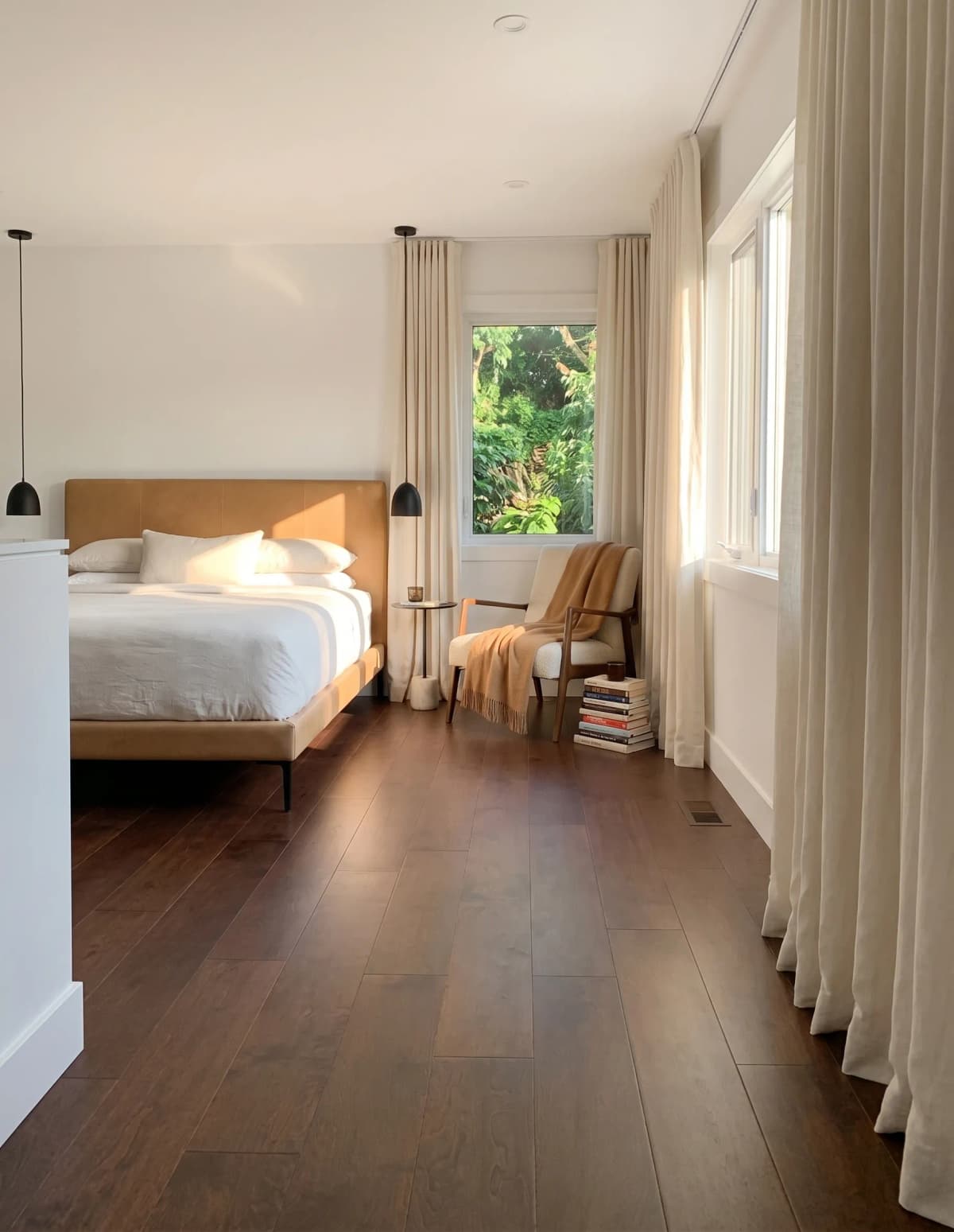
Most homes in Old Markham Village were built between the 1950s and 1980s — which means the subfloors underneath your feet have been through decades of Ontario freeze-thaw cycles, seasonal humidity swings, and in many cases, one or two previous flooring installs layered on top of each other. If you're finally pulling up that tired carpet or cracked vinyl tile and asking what should go down next, Engineered Hardwood is the answer that actually makes sense for the way these houses are built and how they move.
What Decades of Subfloor Movement Actually Does to Your Options
Older homes in Old Markham Village typically sit on concrete slabs or have older plywood subfloors that have experienced significant seasonal movement over the years. That movement — wood expanding in July humidity, contracting in January when the furnace runs non-stop — is exactly what eliminates solid hardwood as a practical choice for many of these spaces. Solid hardwood needs a stable, dry subfloor with very little variance. Most homes this age can't reliably deliver that.
Engineered hardwood is constructed with a real hardwood veneer bonded over a cross-layered plywood core. That core construction is specifically engineered to resist the cupping, gapping, and warping that kills solid wood floors in older Ontario homes. You get the look and feel of real hardwood — because the surface layer is real hardwood — without gambling on whether your 1960s subfloor is going to cooperate. If you're comparing options, it's worth reading about how Engineered Hardwood in Markham specifically addresses the conditions GTA homes deal with year-round.
Why the Sierra by Falcon Flooring Works So Well in These Spaces
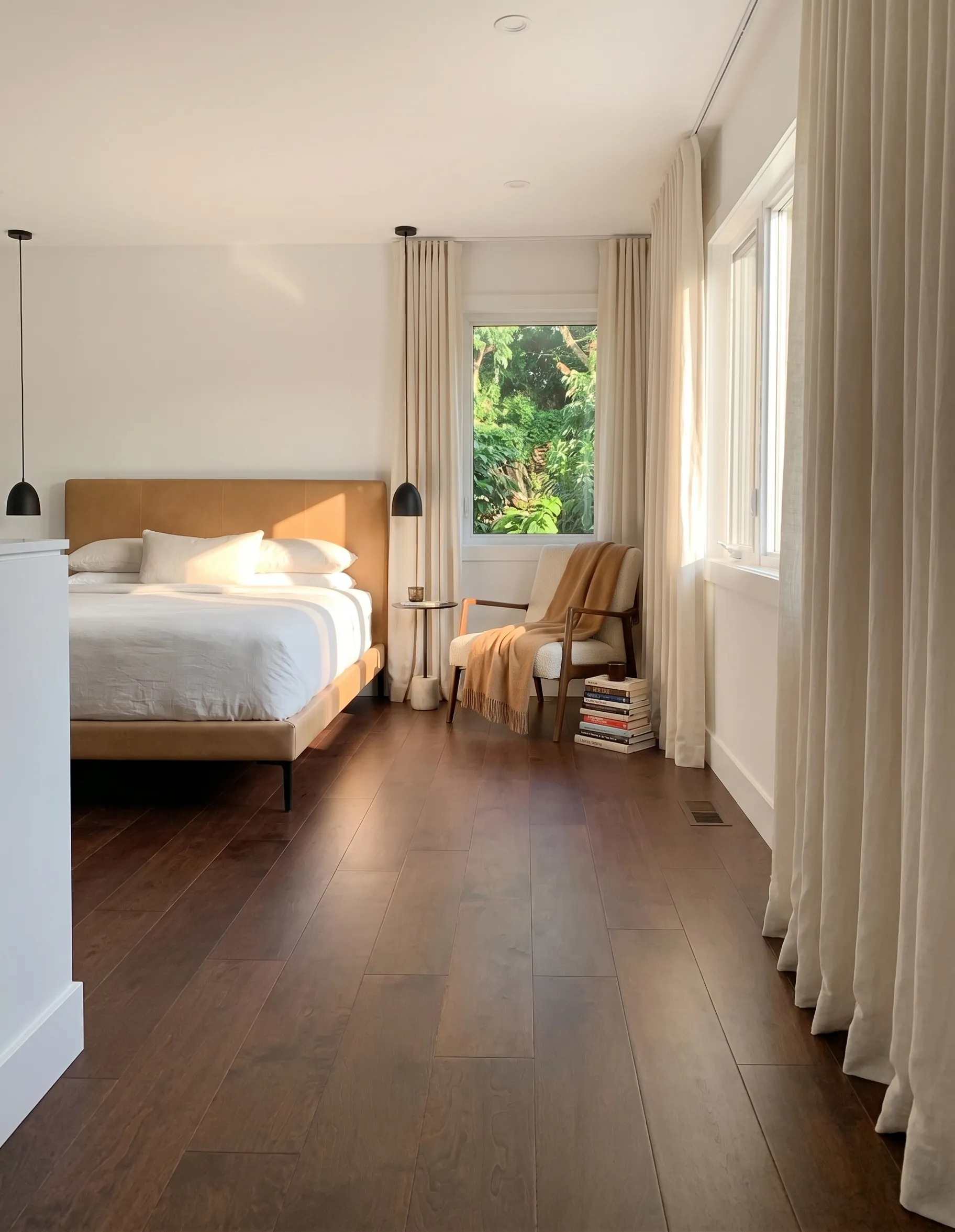
Old Markham Village homes tend to run on the smaller side compared to newer Markham subdivisions — character bungalows, split-levels, and two-storey semis where the main floor might be 800 to 1,100 square feet of livable space. In rooms that size, the floor colour and plank width do a lot of visual work. That's part of why we recommend the Sierra by Falcon Flooring — a 6½-inch wide maple engineered hardwood in a warm, mid-tone finish — for these interiors.
The wider plank format (6½ inches is notably wider than the 3¼-inch strips that were standard in most builder installs of this era) opens up tighter rooms without overwhelming them. The Sierra finish reads as natural and grounded — not the pale Scandinavian blonde that looks cold in north-facing rooms, and not the dark espresso stain that shows every dog hair and dust particle. It sits in a range that works with the wood trim, brick accents, and older architectural details that are common throughout the neighbourhood. Falcon Flooring's maple construction also holds up well underfoot — maple is one of the harder domestic species, which matters in a main floor that sees real daily traffic.
Installation Realities for Homes This Age
One thing we're honest about with Old Markham Village homeowners: the prep work on older homes is often more involved than on a newer build. Subfloor levelling, removal of previous adhesive, and moisture testing before install are not optional steps — they're what determines whether your floor looks great for five years or twenty. We don't skip them.
Engineered hardwood in a home like this can be glued down, nailed, or floated depending on what the subfloor assessment shows. That flexibility is another reason it outperforms solid hardwood for renovation projects in this neighbourhood. If you're also thinking about the staircase — which in many of these split-levels is the first thing you see when you walk in — we can talk through stair nosing and stair installation to carry the same floor through consistently.
We offer a free in-home measurement so we can assess your actual subfloor conditions, give you an accurate square footage count, and tell you upfront what prep your space needs. No guessing, no surprises on installation day.
What to Do Before You Order Anything
If you're in the planning stage, the most useful thing you can do right now is get eyes on your subfloor before you commit to a product. Moisture readings, levelness, and existing subfloor material all affect which installation method makes sense — and that affects cost. We've seen homeowners in older Markham homes buy flooring online, then discover on install day that their subfloor needs $600 in prep work they weren't expecting.
Book the free measure first. It takes about 30 minutes, you'll leave knowing exactly what your floor needs, and it costs you nothing. For more on what's available for flooring in Markham and how we work with homes throughout the area, start there.
Call us at (647) 428-1111 or come see the Sierra and our full engineered hardwood selection in person at 6061 Highway 7, Markham. We know these houses. We know what works in them.
Your next step
If engineered hardwood is where you are landing, see the boards in person before you decide. Browse in-stock engineered hardwood with live pricing, then book a free in-home measurement. We confirm square footage, check the subfloor and quote the floor and installation as one firm number. Call (647) 428-1111 or visit our Markham showroom (Mon to Sat, 10am to 5pm).